Matching New Stone to an Old Building
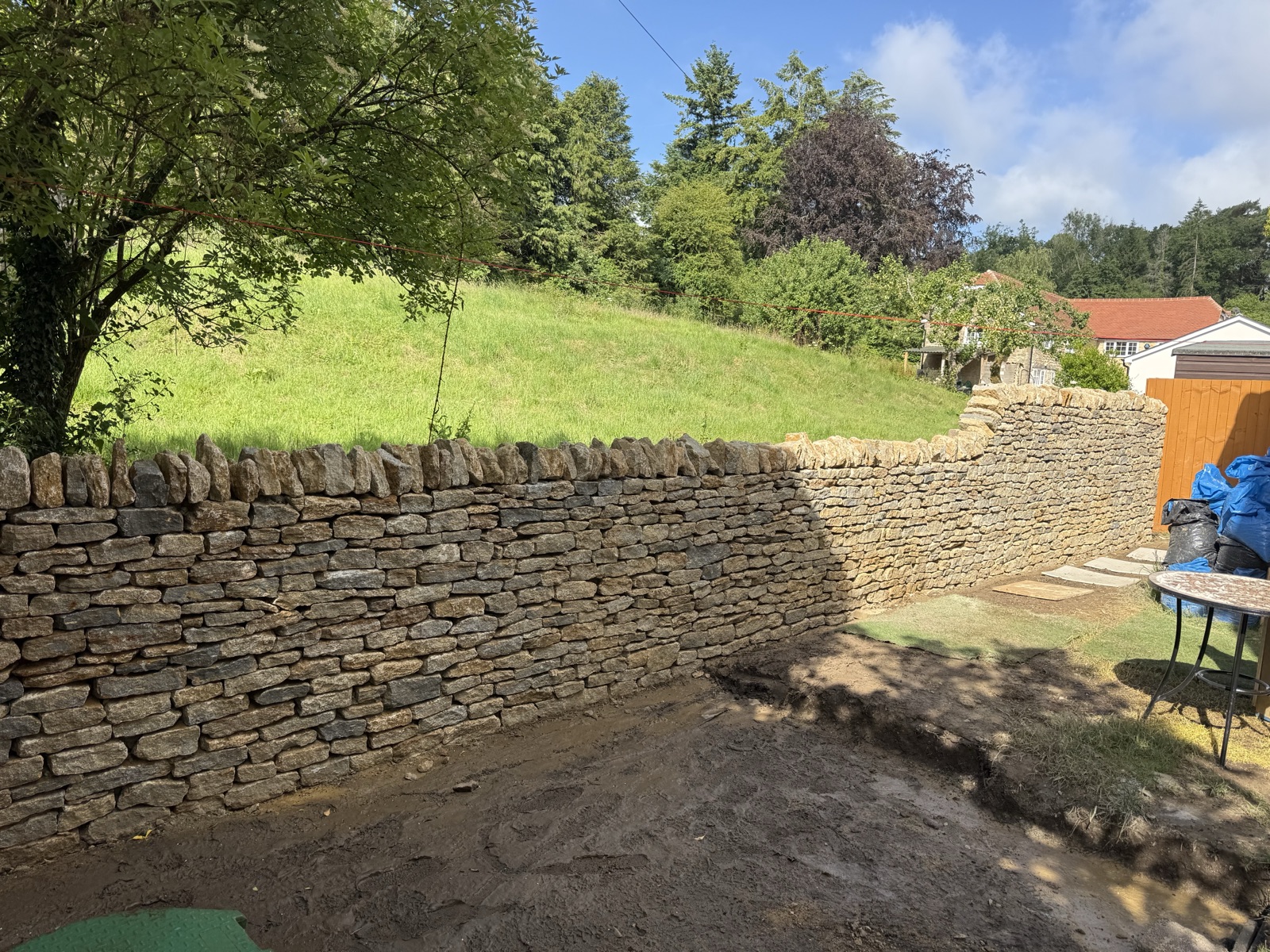
Straight answer: matching comes down to four things — the stone, the coursing, the mortar, and the detailing. Get those right and new work settles into the building instead of standing out.
When you add to a stone building — an extension, a porch, a new boundary or a feature wall — the aim is simple: it should look like it belongs. The difference between an addition that disappears and one that always looks “new” is rarely the budget. It’s whether these four things were matched.
1) The stone
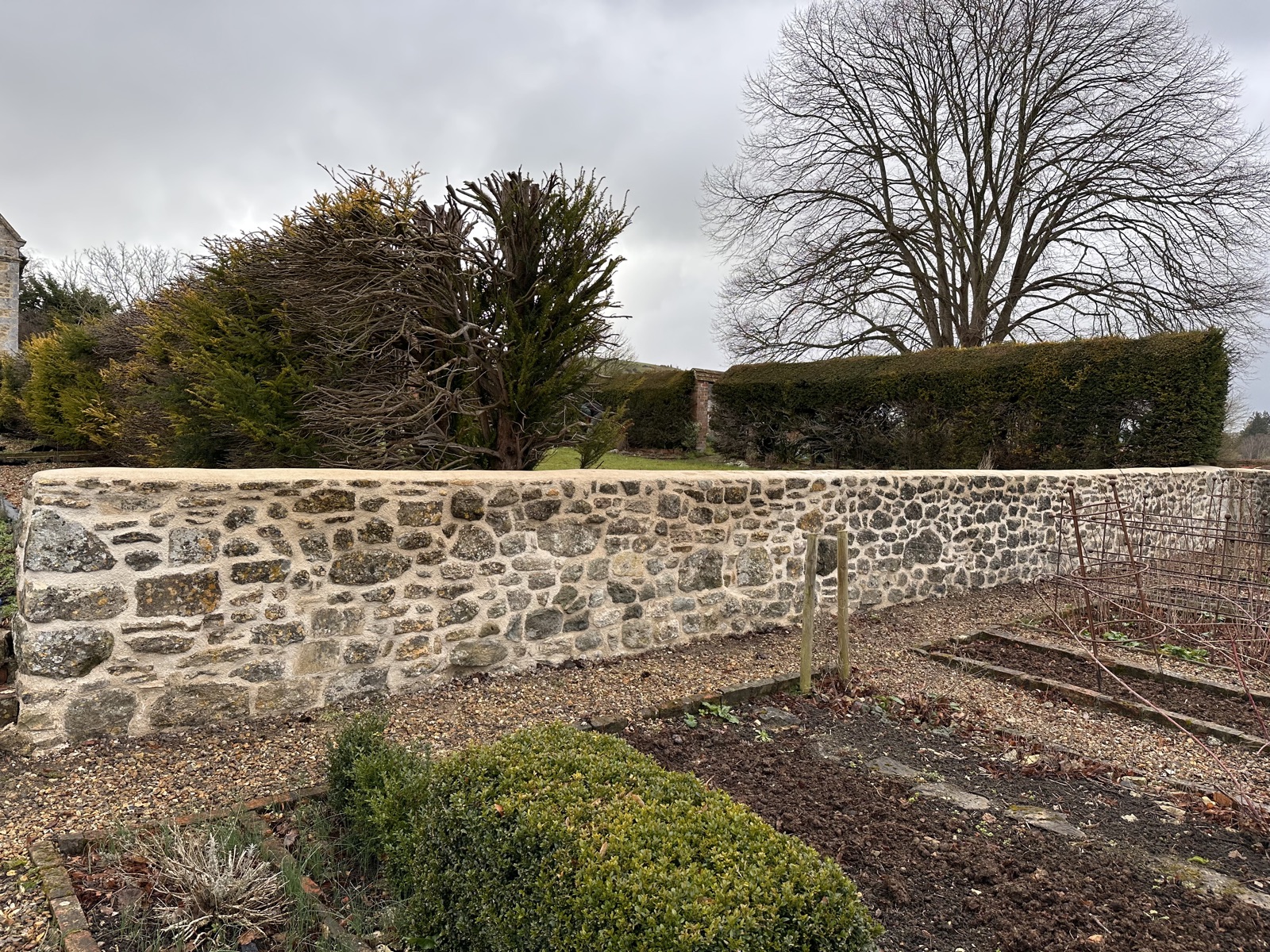
Stone varies by type, colour, grain and texture, often within a few miles. The closer you can source to the original — ideally the same quarry or bed — the easier everything else becomes. Reclaimed stone of the right type is worth having where it’s available.
One thing to expect: new stone starts brighter and tones down over a few years as it weathers. A good match accounts for how it will look settled in, not just on day one.
2) The coursing and bond
How the stone is laid matters as much as the stone itself. An existing wall might be coursed rubble, random rubble, snecked or dressed ashlar, with its own bed heights and quoins at the corners. New work should follow the same pattern and proportions — copying the rhythm of the original, not a tidier modern version of it.
3) The mortar
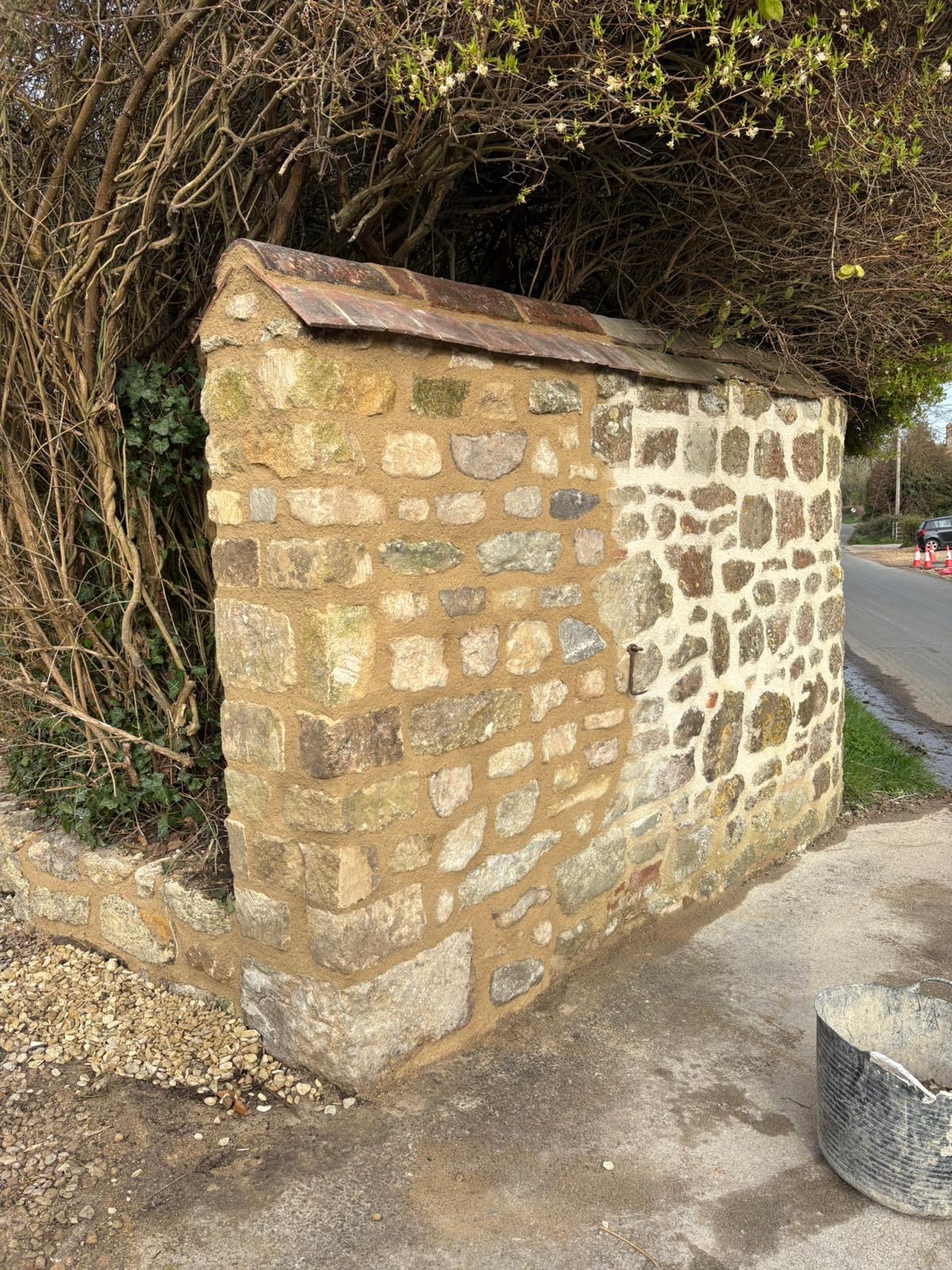
A mortar matched in colour, sand and texture does half the work of matching — and a mismatched one undoes good stonework. On older buildings that usually means a breathable lime mortar rather than cement, finished to the same joint width and profile as the original. Wide, hand-struck joints and tight, neat ones read very differently.
4) The detailing
Copings, cills, lintels, reveals and jamb stones carry a building’s character. Matching their profiles — and the way they’re worked — is what makes new openings and tops look original rather than catalogue-standard.
Why it’s worth getting right
On extensions to period and listed homes, sympathetic matching is often a planning or conservation requirement, not just a preference — so it pays to design and build it in from the start rather than try to fix it afterwards. And beyond the rules, it’s the whole point: stonework that looks like it’s always been there.
How we approach it
We match stone type, coursing, mortar and finish so new work reads as part of the building rather than an addition — and we’re a small, heritage-minded team, so we’ll be straight with you about whether your job is the right fit before we start.
What to send us
Send a wide photo of the existing building, a close-up of the stone and the joints, a note of what you’re adding, whether the property is listed, and your postcode.
Send it over and we’ll advise on the match and whether a site visit is needed.