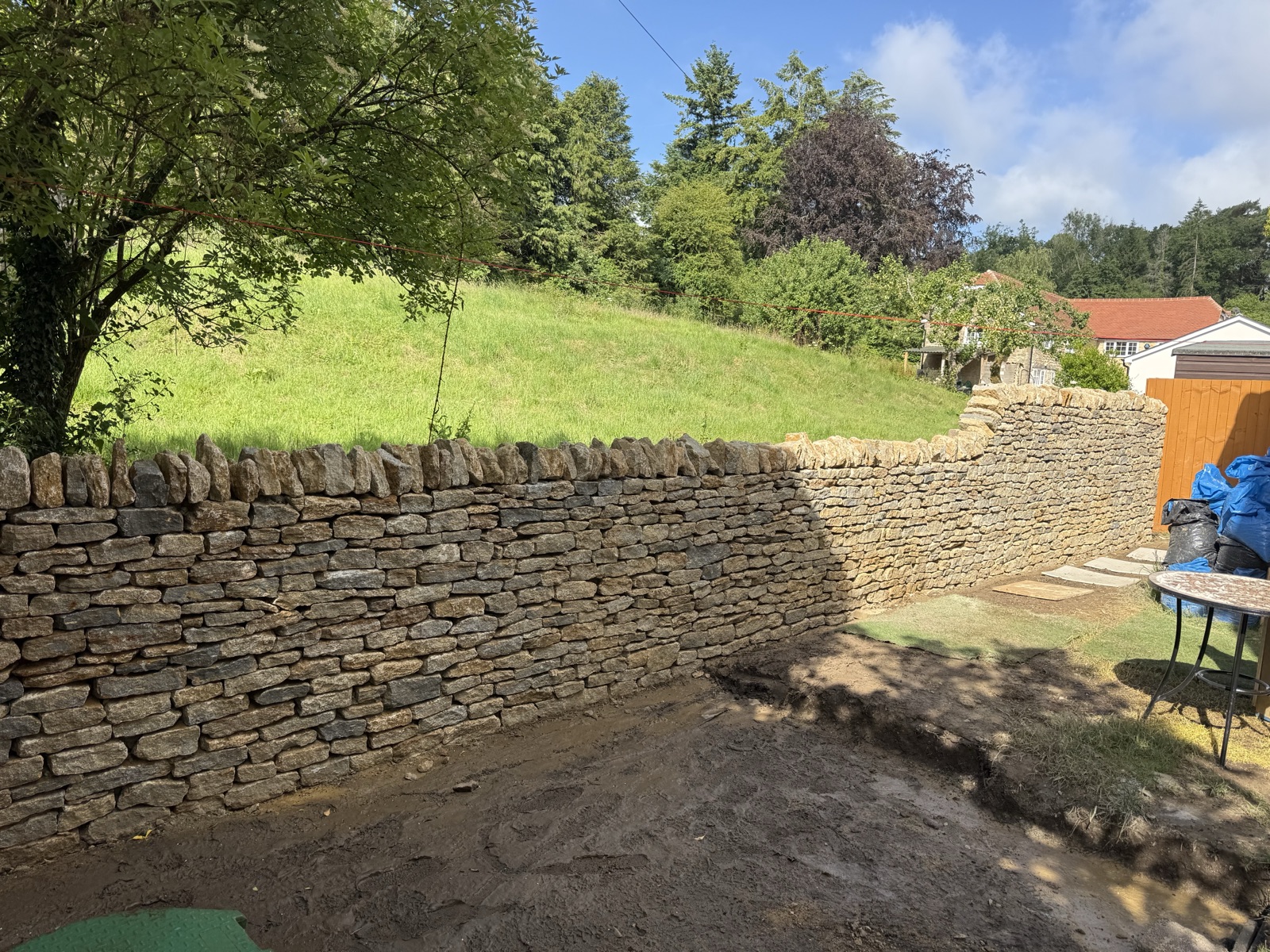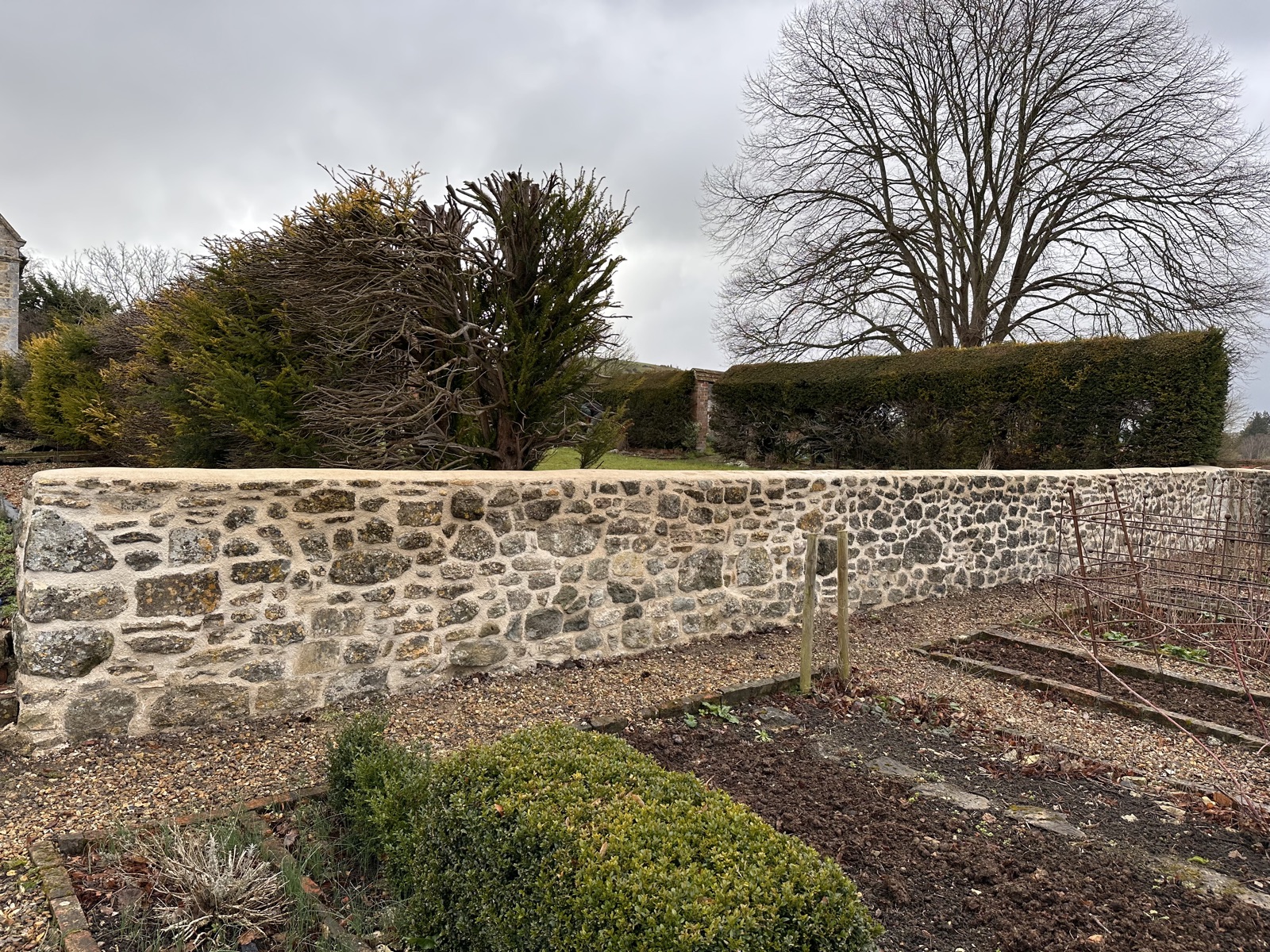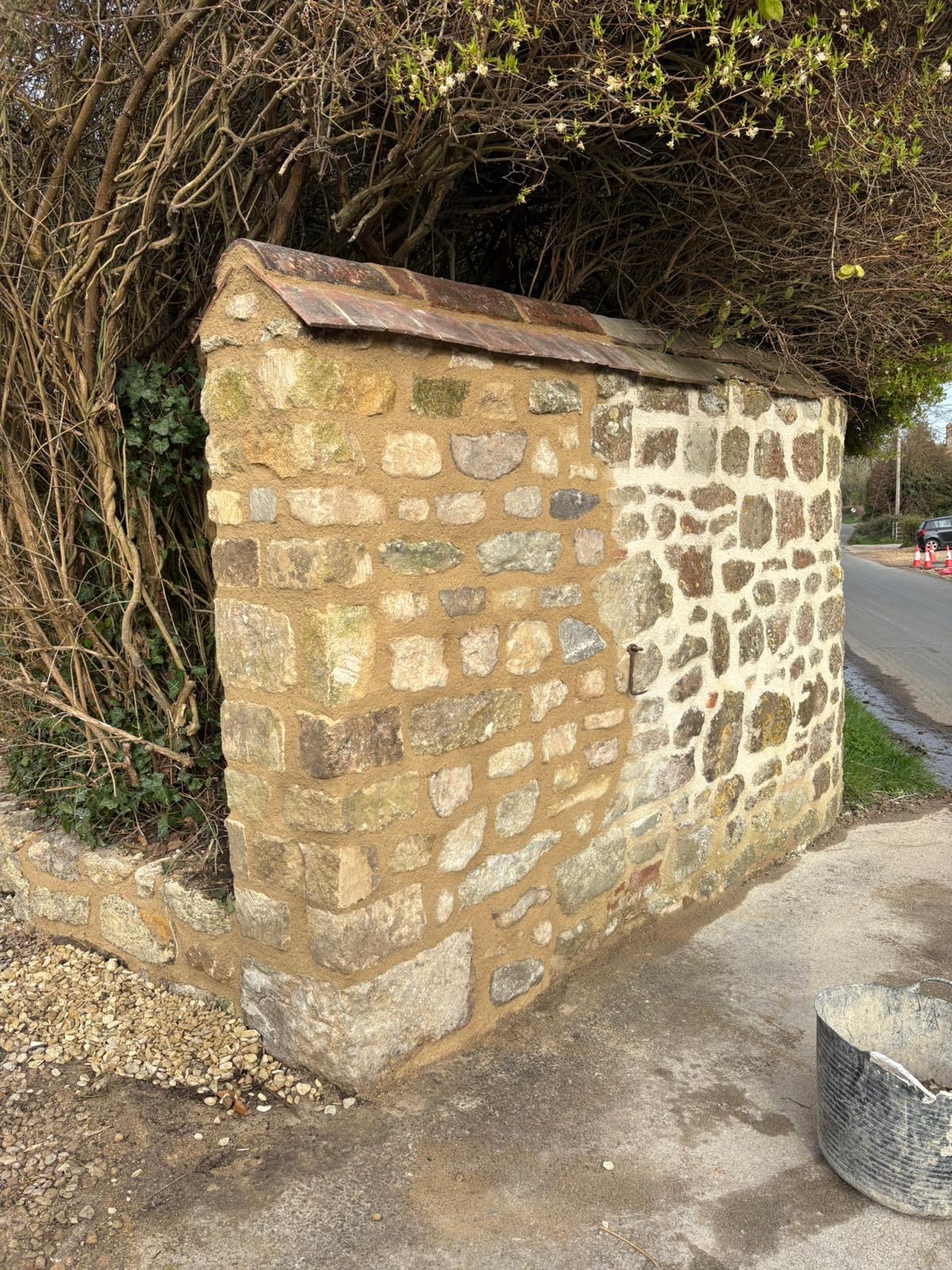
Stonework Repairs for Churches: What PCCs Need to Know
For PCCs and churchwardens: the best stonework projects are the ones with a clear plan — phased sensibly, documented properly, and delivered with minimal disruption.
Church buildings are different. They’re public, often listed, and cared for by people who may be volunteers — yet the work still needs to meet a professional standard of planning, safety and documentation.
This guide is designed to make the process clearer.
Common triggers for church stonework projects
- a quinquennial inspection report highlights risk areas
- visible deterioration (open joints, loose stones, spalling)
- safety concerns in churchyards, boundary walls or parapets
- grant deadlines or tender windows
Faculty, permissions and professional oversight
Depending on your building and scope, you may need:
- faculty permission for certain works
- consultation with your architect or surveyor
- a documented scope and method
Even when faculty isn’t required, good documentation is still useful for committee decision-making, grant applications, and future caretakers of the building.
Phasing: essential / recommended / future
Church repairs are rarely “all or nothing”. A sensible approach is usually:
- Essential (now): make safe, stop water ingress, stabilise at-risk areas
- Recommended (next): address adjoining defects that will become urgent
- Future (planned): longer-term maintenance and aesthetic improvements
Phasing protects budgets and prevents “panic repairs”.
Minimising disruption (services, events, public access)
Good planning includes:
- agreeing working hours and access routes
- protecting public paths and memorials
- sequencing noisy or dusty tasks away from key events
- clear scaffold interfaces and signage
What a good quote for a church should include
- a clear scope and boundaries
- access assumptions (scaffold, exclusion zones)
- a method overview (materials, lime approach where appropriate)
- the programme and dependencies (weather windows can matter)
- a simple reporting promise (photos and progress notes)
The “reporting pack” that makes life easier
We aim to provide:
- before, during and after photos
- brief progress notes (what happened, what’s next, any risks)
- a completion note and aftercare guidance
This reduces the admin burden on volunteer committees and creates continuity.
If you have a quinquennial report
Send the relevant pages (or photos of them) along with a few pictures of the affected areas. We can advise what’s urgent, what can be phased, and what information you’ll need to seek quotes sensibly.
Email the report extracts and photos for an initial steer.