Masonry Fixing & Structural Repair
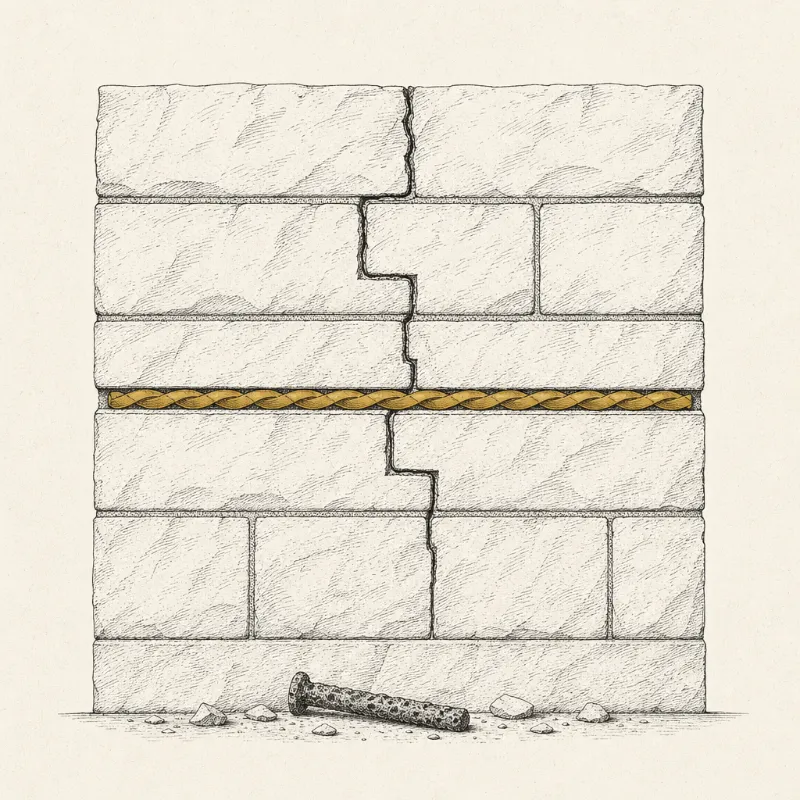
Cracked stonework is a symptom. Before anything is stitched or tied, it is worth knowing what moved and why — because a crack that is still moving will come back through any repair. We stabilise masonry that has failed, and deal with the cause where we can find it.
What this involves
- Helical tie bars and crack stitching to failed or cracked masonry
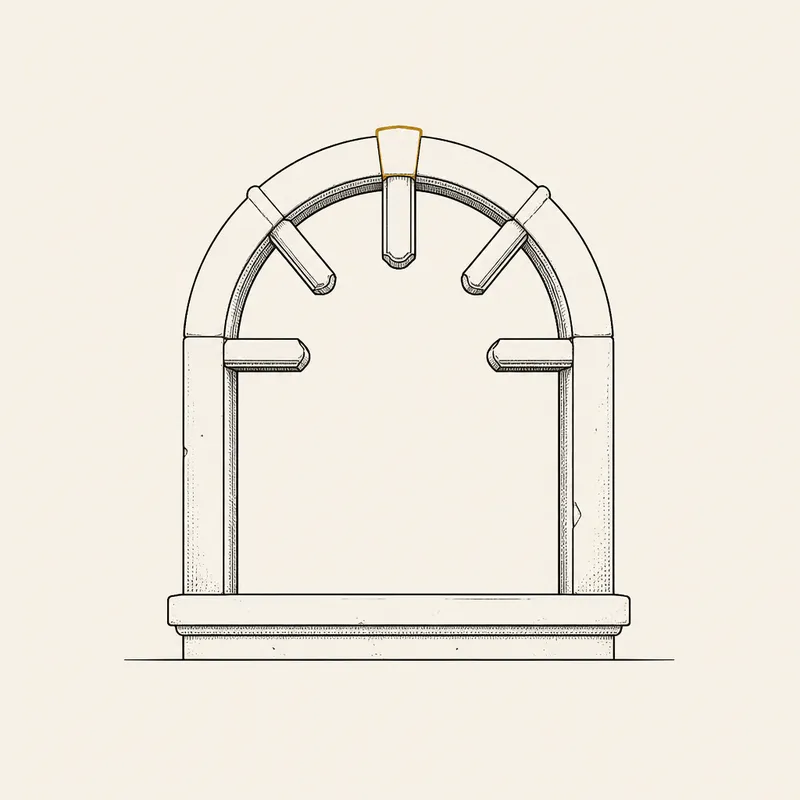
- Replacing rusted iron cramps, pins and dowels with non-corroding fixings
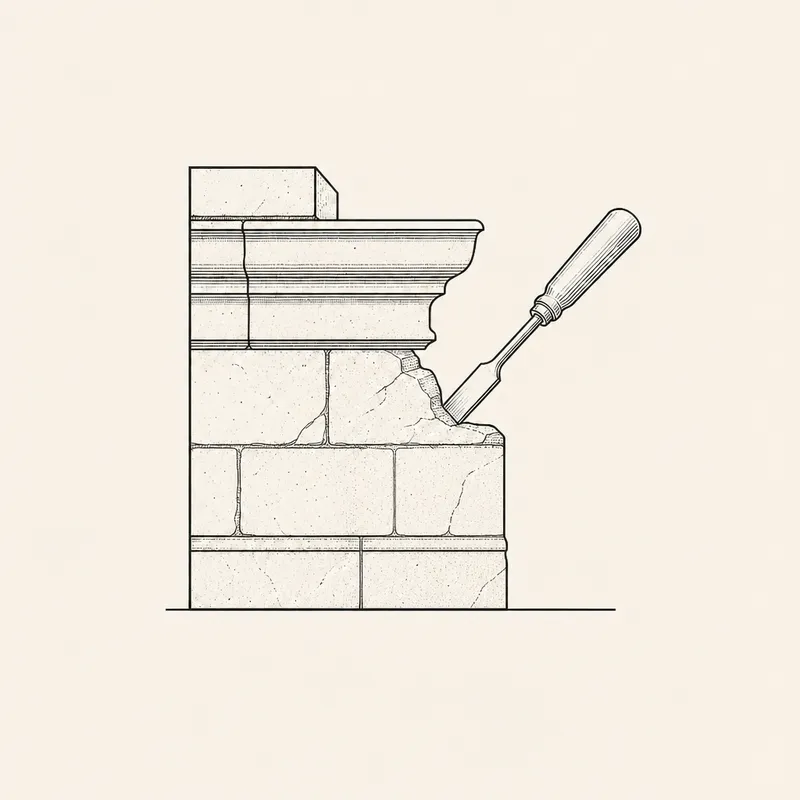
- Rebuilding sections that are past stitching
- Refixing loose, bulging or displaced stonework
What’s typically included
- A look at what caused the movement, not just the crack
- A written scope of what is being fixed and why
- Fixings specified for the stone and the situation
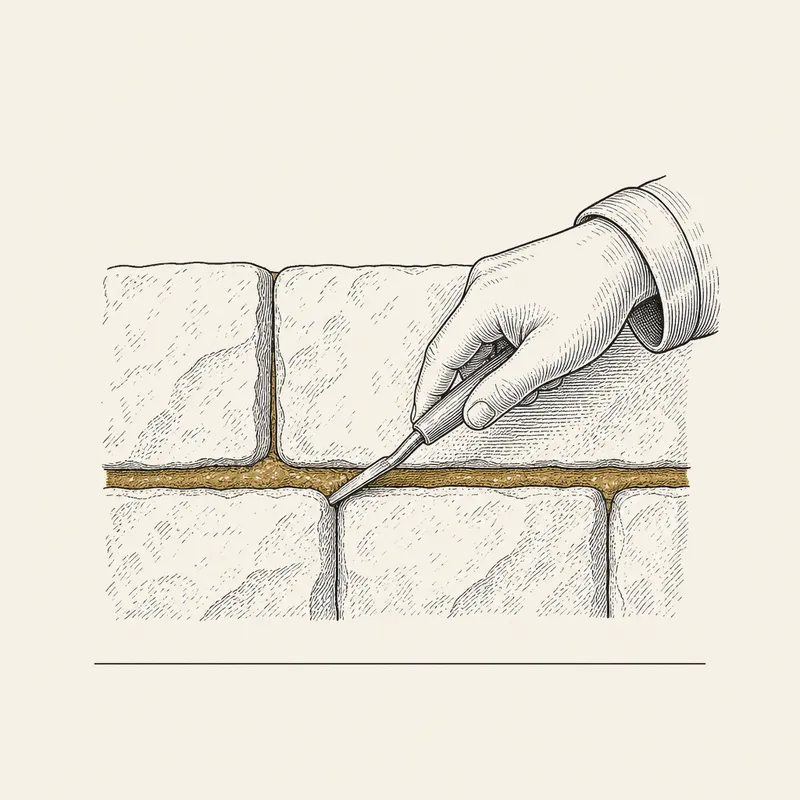
- Repairs made good in a matched mortar so they disappear
We are masons, not structural engineers. Where a building is actively moving, or a repair needs a design and a calculation behind it, that is an engineer's call — we will say so, work to their spec, and not invent a diagnosis to win the job.
Who it’s for
Common questions
Why is rusting iron such a problem in old stonework?
Historic stonework is often held together with iron cramps, pins and dowels. As iron corrodes it expands — with enough force to split the stone around it from the inside. The stone cracks, but the iron is the cause. Replacing it with a non-corroding fixing is what stops it happening again.
Will stitching a crack stop it coming back?
Only if whatever caused the movement has stopped. Stitching a live crack just moves the problem along the wall. That is why we look at the cause first, and say so if we think it needs an engineer before a mason.
From the journal
5 Signs Your Stonework Needs Attention (Before It Gets Expensive)
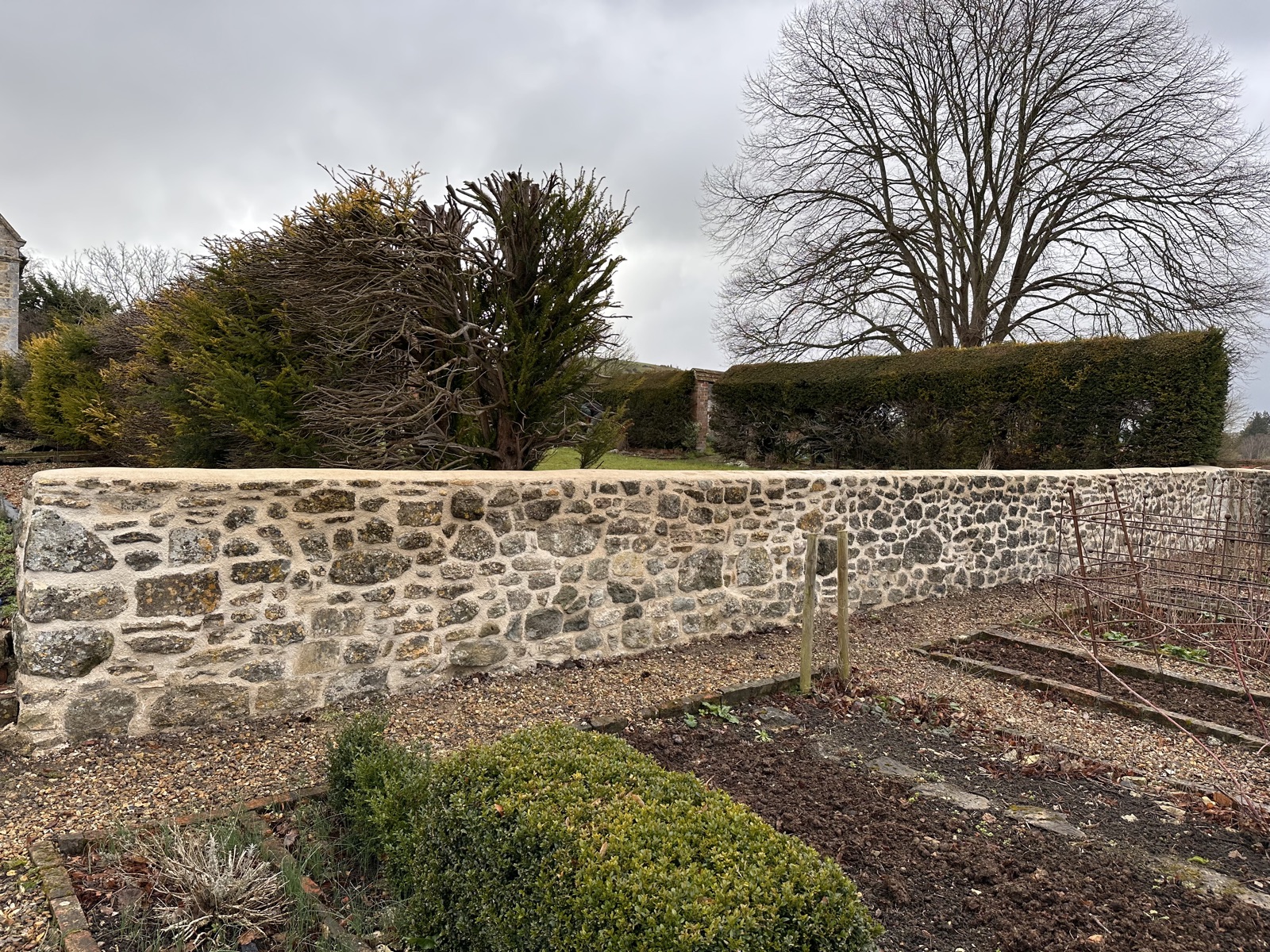
Stone walls rarely fail overnight — they warn you first. The five signs we see most often around Dorset and Somerset, what each one means, and why catching them early saves money.
Read Repair Hierarchy in Conservation: Retain, Repair, Replace
The conservation discipline that gives the best outcomes: retain what's sound, repair what isn't, and replace only where you must. What that looks like in real stonework.
Read